
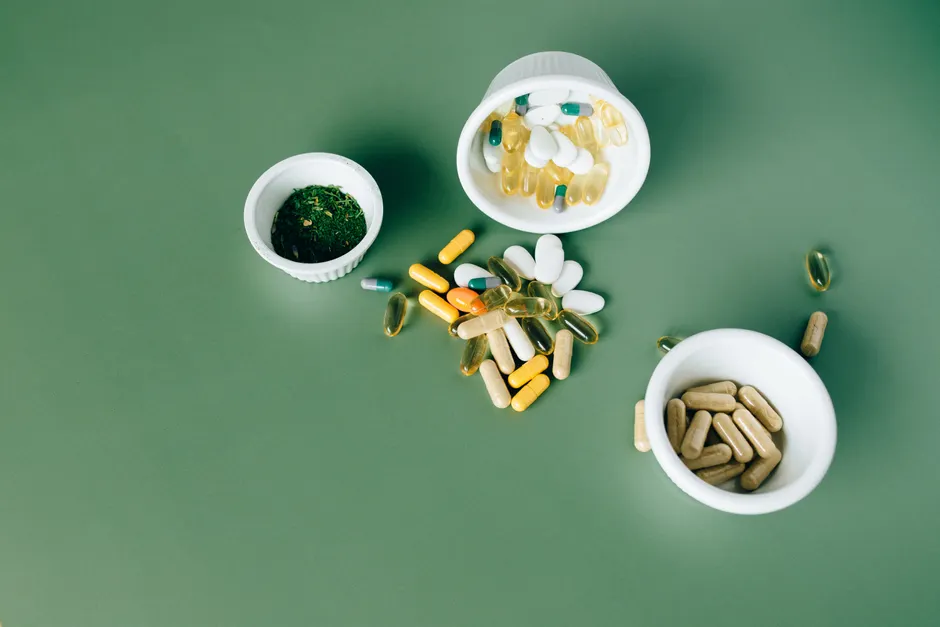

La recherche étudie les probiotiques comme complément possible dans l’anxiété et la dépression. L’hypothèse repose sur l’axe intestin-cerveau, un ensemble d’échanges entre le système nerveux, l’immunité, les hormones du stress et les micro-organismes intestinaux.
Une méta-analyse publiée dans Nutrition Reviews a recensé 23 essais randomisés portant sur 1 401 patients présentant un trouble psychiatrique. Vingt essais fournissaient assez de données pour le calcul statistique. Les probiotiques étaient associés à une baisse des symptômes dépressifs et anxieux, tandis que les prébiotiques seuls ne réduisaient pas significativement les symptômes dépressifs.
Une autre méta-analyse, publiée dans BMC Psychiatry en 2025, a regroupé 72 essais et plus de 6 000 participants. Elle retrouve un signal favorable, mais souligne l’hétérogénéité des souches, des populations, des durées et des méthodes d’évaluation.
Une piste, pas un traitement.
Le microbiote échange avec le cerveau
En réalité, l’axe intestin-cerveau ne relie pas directement une gélule à une émotion. Le système nerveux central et le système nerveux entérique échangent des informations par le nerf vague, les messagers immunitaires, les hormones du stress et les produits issus de l’activité microbienne.
Les chercheurs étudient plusieurs mécanismes possibles. Certaines bactéries pourraient modifier la disponibilité de molécules impliquées dans l’humeur, comme la sérotonine, la dopamine ou le GABA. Le microbiote intervient aussi dans l’inflammation et la réponse au stress. Ces mécanismes restent plausibles, mais ils ne permettent pas de conclure qu’une modification du microbiote guérit une dépression ou un trouble anxieux.
La relation peut aussi fonctionner dans l’autre sens. Le stress, les symptômes dépressifs, l’alimentation, les troubles digestifs et certains traitements peuvent modifier le microbiote. Une association entre une composition bactérienne et un état psychologique ne prouve donc pas que l’une cause l’autre.
Les méta-analyses donnent un signal, pas une ordonnance
Dépression : un effet moyen qui varie selon les essais
Dans la méta-analyse de Nutrition Reviews18 essais portaient sur les probiotiques et les symptômes dépressifs. L’effet combiné était statistiquement significatif, avec une différence moyenne standardisée de -0,96 et un intervalle de confiance compris entre -1,31 et -0,61.
Cette valeur ne signifie pas que chaque personne voit ses symptômes diminuer de 96 %. La différence moyenne standardisée compare des groupes qui n’utilisent pas forcément la même échelle de symptômes. Elle mesure l’écart moyen entre le groupe ayant reçu un probiotique et le groupe placebo, sans prédire le résultat d’un individu.
La même analyse a étudié trois essais sur les prébiotiques et la dépression. L’effet estimé atteignait -0,28, avec un intervalle de confiance de -0,61 à 0,04. Comme cet intervalle inclut l’absence d’effet, les résultats ne permettent pas d’affirmer que les prébiotiques seuls réduisent les symptômes dépressifs.
Anxiété : une baisse moyenne moins uniforme
Pour l’anxiété, les neuf essais analysés dans Nutrition Reviews indiquaient une baisse moyenne associée aux probiotiques. La différence standardisée atteignait -0,59, avec un intervalle de confiance de -0,98 à -0,19. Ce résultat est compatible avec un effet modéré dans les groupes étudiés.
Le mot « groupe » compte ici. Les essais ne testaient pas les mêmes souches, les mêmes doses, les mêmes durées ni les mêmes participants. Certains incluaient des personnes présentant un diagnostic, d’autres des populations exposées à un stress ou à une maladie chronique. Une formule probiotique ne peut donc pas être transposée automatiquement d’une étude à une autre.
Sommeil : une piste encore instable
La méta-analyse publiée en 2025 dans BMC Psychiatry évaluait aussi le sommeil dans 12 essais. Les groupes d’intervention comptaient 411 participants et les groupes témoins 378. La présence du sommeil parmi les critères étudiés ne suffit pas à établir un bénéfice régulier. Les auteurs demandent des essais plus larges, mieux conçus et suivis plus longtemps.
La revue réunissait des personnes ayant un trouble anxieux ou dépressif, des patients atteints d’une maladie chronique et des personnes sans diagnostic présentant des symptômes. Cette diversité élargit l’analyse, mais elle rend plus difficile l’interprétation du résultat pour une personne qui cherche une réponse précise à son propre problème de sommeil ou d’anxiété.
Chez les fumeurs, l’essai de 2026 ne retrouve pas d’effet psychique

Un essai randomisé, en double aveugle et contrôlé par placebo, publié dans BMC Complementary Medicine and Therapies et intégré à la collection 2026, a porté sur 74 adultes fumeurs à Kashan, en Iran. Pendant 12 semaines, 36 participants ont reçu une capsule contenant Lactobacillus acidophilusBifidobacterium longumBifidobacterium bifidum et Bifidobacterium lactisà raison de 1,8 milliard d’unités formant colonie par jour. Les 38 autres ont reçu un placebo.
Les chercheurs ont observé des changements sur certains marqueurs métaboliques, notamment la glycémie à jeun, les triglycérides, le cholestérol VLDL, la protéine C-réactive et le cholestérol HDL. En revanche, les scores d’anxiété, de dépression et de dépendance à la nicotine ne différaient pas significativement de ceux du groupe placebo.
Ce résultat ne réfute pas les méta-analyses. Il montre que l’effet observé dépend de la population, de la formulation, de la durée et du critère mesuré. Une amélioration d’un marqueur métabolique ou inflammatoire ne devient pas automatiquement un effet antidépresseur.
Lire une promesse de probiotique sans acheter du flou
En apparence, une étiquette qui annonce plusieurs milliards de bactéries donne une information précise. En réalité, le nombre total ne dit pas si le produit correspond à la formulation étudiée. Pour comparer une promesse commerciale avec un essai, il faut vérifier quatre éléments.
- La catégorie utilisée : l’étude porte-t-elle sur un probiotique, un prébiotique ou un synbiotique? Ces interventions ne sont pas interchangeables.
- La souche et la formulation : le nom complet des micro-organismes apparaît-il? Une étiquette qui indique seulement une espèce générale ne permet pas toujours de comparer le produit avec l’intervention étudiée.
- La population étudiée : les participants avaient-ils une dépression diagnostiquée, des symptômes légers, une anxiété liée à une maladie chronique ou aucun diagnostic? Le contexte modifie la portée du résultat.
- La durée et le comparateur : l’intervention a-t-elle été comparée à un placebo pendant une durée définie? Une amélioration mesurée avant et après, sans groupe témoin, ne permet pas d’écarter l’effet du temps, des attentes ou d’un changement parallèle du mode de vie.
Cette vérification évite de transformer un résultat de groupe en promesse individuelle. Une formule peut avoir été étudiée dans une population précise sans produire le même effet dans une autre. Le nombre de milliards affiché sur le flacon ne remplace donc ni l’identité de la souche ni la comparaison avec l’essai correspondant.
Le bon usage commence par le problème à traiter

Surtout, il faut préciser ce que l’on cherche à améliorer. Une personne qui souffre principalement de ballonnements, une personne ayant un trouble dépressif diagnostiqué et une personne confrontée à une anxiété ponctuelle ne se trouvent pas dans la même situation. Le mot « microbiote » ne suffit pas à les réunir sous une même réponse.
Si un professionnel de santé valide l’essai d’un complément, le choix peut reprendre les caractéristiques d’une intervention étudiée : souche identifiée, formulation comparable, durée définie et critère d’évaluation clair. Il faut ensuite observer l’évolution sans attribuer automatiquement chaque changement au produit. Le sommeil, l’alimentation, le stress, les traitements et les événements de vie évoluent aussi.
Les résultats de 2025 et de 2026 dessinent une position mesurée. Les probiotiques montrent un signal favorable sur certains symptômes anxieux et dépressifs, mais les différences entre les études empêchent d’identifier une souche ou une dose valables pour tout le monde.
Le signal existe, la recette manque.
Sources et références scientifiques
- Effects of Prebiotics and Probiotics on Symptoms of Depression and Anxiety in Clinically Diagnosed Samples: Systematic Review and Meta-analysis of Randomized Controlled Trials – PMC. Nutrition reviews. DOI: 10.1093/nutrit/nuae177 · PMID: 39731509.
- 1. World Health Organisation. Depressive disorder (depression). Published March 23, 2023. Accessed May 2, 2023..
- 2. World Health Organisation. Mental health action plan 2013-2020. Accessed May 2, 2023..
- 3. Kircanski K, LeMoult J, Ordaz S, Gotlib IH. Investigating the nature of co-occurring depression and anxiety: comparing diagnostic and dimensional research approaches. J Affect Disord. 2017;216:123-135. 10.1016/j.jad.2016.08.006 [DOI] [PMC free article] [PubMed] [Google Scholar]. doi:10.1016/j.jad.2016.08.006.
- 4. Santomauro DF, Mantilla Herrera AM, Shadid J, et al. Global prevalence and burden of depressive and anxiety disorders in 204 countries and territories in 2020 due to the COVID-19 pandemic. Lancet. 2021;398:1700-1712. 10.1016/S0140-6736(21)02143-7 [DOI] [PMC free article] [PubMed] [Google Scholar]. doi:10.1016/S0140-6736(21)02143-7.
- 5. Ali S, Rhodes L, Moreea O, et al. How durable is the effect of low intensity CBT for depression and anxiety? Remission and relapse in a longitudinal cohort study. Behav Res Ther. 2017;94:1-8. 10.1016/j.brat.2017.04.006 [DOI] [PubMed] [Google Scholar]. doi:10.1016/j.brat.2017.04.006.
- 6. Constantino MJ, Coyne AE, Luukko EK, et al. Therapeutic alliance, subsequent change, and moderators of the alliance-outcome association in interpersonal psychotherapy for depression. Psychotherapy (Chic). 2017;54:125-135. 10.1037/pst0000101 [DOI] [PubMed] [Google Scholar]. doi:10.1037/pst0000101.
- 7. Ustün TB, Kessler RC. Global burden of depressive disorders: the issue of duration. Br J Psychiatry. 2002;181:181-183. 10.1192/bjp.181.3.181 [DOI] [PubMed] [Google Scholar]. doi:10.1192/bjp.181.3.181.
- 8. Thursby E, Juge N. Introduction to the human gut microbiota. Biochem J. 2017;474:1823-1836. 10.1042/bcj20160510 [DOI] [PMC free article] [PubMed] [Google Scholar]. doi:10.1042/bcj20160510.
- 9. Zheng P, Zeng B, Zhou C, et al. Gut microbiome remodeling induces depressive-like behaviors through a pathway mediated by the host's metabolism. Mol Psychiatry. 2016;21:786-796. 10.1038/mp.2016.44 [DOI] [PubMed] [Google Scholar]. doi:10.1038/mp.2016.44.
- 10. Nikolova VL, Smith MRB, Hall LJ, Cleare AJ, Stone JM, Young AH. Perturbations in gut microbiota composition in psychiatric disorders: a review and meta-analysis. JAMA Psychiatry. 2021;78:1343-1354. 10.1001/jamapsychiatry.2021.2573 [DOI] [PMC free article] [PubMed] [Google Scholar]. doi:10.1001/jamapsychiatry.2021.2573.
- 11. Yang J, Zheng P, Li Y, et al. Landscapes of bacterial and metabolic signatures and their interaction in major depressive disorders. Sci Adv. 2020;6:eaba8555. 10.1126/sciadv.aba8555 [DOI] [PMC free article] [PubMed] [Google Scholar]. doi:10.1126/sciadv.aba8555.
- 12. Simpson CA, Diaz-Arteche C, Eliby D, Schwartz OS, Simmons JG, Cowan CSM. The gut microbiota in anxiety and depression, a systematic review. Clin Psychol Rev. 2021;83:101943. 10.1016/j.cpr.2020.101943 [DOI] [PubMed] [Google Scholar]. doi:10.1016/j.cpr.2020.101943.
- The efficacy of probiotics, prebiotics, and synbiotics on anxiety, depression, and sleep: a systematic review and meta-analysis of randomized controlled trials – PMC. BMC psychiatry. DOI: 10.1186/s12888-025-07644-z · PMID: 41310510.
- 1.World Health Organization. Anxiety disorders. 2025. Accessed 25 Oct 2025..
- 2.World Health Organization. Depression. 2025. Accessed 25 Oct 2025..
- 3.Doran CM, Kinchin I. A review of the economic impact of mental illness. Aust Health Rev. 2019;43(1):43-8. [DOI] [PubMed] [Google Scholar].
- 4.Ashton AK, Jamerson BD, Wagoner LWW. Antidepressant-related adverse effects impacting treatment compliance: results of a patient survey. Curr Ther Res Clin E. 2005;66(2):96-106. [DOI] [PMC free article] [PubMed] [Google Scholar].
- 5.Shin E, Renzi D, Canales C, Ravichandran C, McDougle CJ, Thom RP. Buspirone for the treatment of anxiety in Williams syndrome: a retrospective chart review study. Expert Opin Pharmaco. 2024;25(1):113-20. [DOI] [PubMed] [Google Scholar].
- 6.Yarwood B, Taylor R, Angelakis I. User experiences of CBT for anxiety and depression: a qualitative systematic review and meta-synthesis. Community Ment Hlt J. 2024;60(4):662-71. [DOI] [PubMed] [Google Scholar].
- 7.Loughman A, Ponsonby AL, O’Hely M, Symeonides C, Collier F, Tang M, Carlin J, Ranganathan S, Allen K, Pezic A, et al. Gut microbiota composition during infancy and subsequent behavioural outcomes. Ebiomedicine. 2020;52:102640. [DOI] [PMC free article] [PubMed] [Google Scholar].
- 8.Liu RT. The Microbiome as a novel paradigm in studying stress and mental health. Am Psychol. 2017;72(7):655-67. [DOI] [PMC free article] [PubMed] [Google Scholar].
- 9.Hill C, Guarner F, Reid G, Gibson GR, Merenstein DJ, Pot B, Morelli L, Canani RB, Flint HJ, Salminen S, et al. Expert consensus document. The international scientific association for probiotics and prebiotics consensus statement on the scope and appropriate use of the term probiotic. Nat Rev Gastro Hepat. 2014;11(8):506-14. [DOI] [PubMed] [Google Scholar].
- 10.Gibson GR, Hutkins R, Sanders ME, Prescott SL, Reimer RA, Salminen SJ, Scott K, Stanton C, Swanson KS, Cani PD, et al. Expert consensus document: the international scientific association for probiotics and prebiotics (ISAPP) consensus statement on the definition and scope of prebiotics. Nat Rev Gastro Hepat. 2017;14(8):491-502. [DOI] [PubMed] [Google Scholar].
- 11.Swanson KS, Gibson GR, Hutkins R, Reimer RA, Reid G, Verbeke K, Scott KP, Holscher HD, Azad MB, Delzenne NM, et al. The international scientific association for probiotics and prebiotics (ISAPP) consensus statement on the definition and scope of synbiotics. Nat Rev Gastro Hepat. 2020;17(11):687-701. [DOI] [PMC free article] [PubMed] [Google Scholar].
- 12.Ng QX, Peters C, Ho C, Lim DY, Yeo WS. A meta-analysis of the use of probiotics to alleviate depressive symptoms. J Affect Disorders. 2018;228:13-9. [DOI] [PubMed] [Google Scholar].
- The effect of probiotics on anxiety, depression, nicotine dependence, and metabolic biomarkers in smokers: a randomized clinical trial – PMC. BMC complementary medicine and therapies. DOI: 10.1186/s12906-025-05232-y · PMID: 41457283.
- anization WH. WHO launches new report on global tobacco use trends. World Health Organ. 2019;19..
- 2.Şahin M, Yüzügüllü D. Outcomes of metabolic syndrome and anxiety levels in light and heavy smokers. PeerJ. 2025;13:e19069. [DOI] [PMC free article] [PubMed] [Google Scholar].
- 3.Alemao CA, et al. Impact of diet and the bacterial Microbiome on the mucous barrier and immune disorders. Allergy. 2021;76(3):714-34. [DOI] [PubMed] [Google Scholar].
- 4.Budden KF, et al. Emerging pathogenic links between microbiota and the gut-lung axis. Nat Rev Microbiol. 2017;15(1):55-63. [DOI] [PubMed] [Google Scholar].
- 5.He M, Shi B. Gut microbiota as a potential target of metabolic syndrome: the role of probiotics and prebiotics. Cell Bioscience. 2017;7(1):54. [DOI] [PMC free article] [PubMed] [Google Scholar].
- 6.Crovesy L, El-Bacha T, Rosado EL. Modulation of the gut microbiota by probiotics and symbiotics is associated with changes in serum metabolite profile related to a decrease in inflammation and overall benefits to metabolic health: a double-blind randomized controlled clinical trial in women with obesity. Food Funct. 2021;12(5):2161-70. [DOI] [PubMed] [Google Scholar].
- 7.Bartos A, Weinerova J, Diondet S. Effects of human probiotics on memory and psychological and physical measures in community-dwelling older adults with normal and mildly impaired cognition: results of a bi-center, double-blind, randomized, and placebo-controlled clinical trial (CleverAge biota). Front Aging Neurosci. 2023;15:1163727. [DOI] [PMC free article] [PubMed] [Google Scholar].
- 8.McKean J, et al. Probiotics and subclinical psychological symptoms in healthy participants: a systematic review and meta-analysis. J Altern Complement Med. 2017;23(4):249-58. [DOI] [PubMed] [Google Scholar].
- 9.Heshmati J, et al. A systematic review and meta-analysis of the probiotics and synbiotics effects on oxidative stress. J Funct Foods. 2018;46:66-84. [Google Scholar].
- 10.Budden KF, et al. Probiotic bifidobacterium Longum subsp. Longum protects against cigarette Smoke-Induced inflammation in mice. Int J Mol Sci. 2023;24(1):252. [DOI] [PMC free article] [PubMed] [Google Scholar].
- 11.Farajipour H, et al. The effects of probiotics supplements on metabolic indices and clinical signs in patients with diabetic retinopathy, a randomized double blind clinical trial. J Diabetes Metab Disord. 2024;23(1):1133-40. [DOI] [PMC free article] [PubMed] [Google Scholar].
- 12.Dickerson FB et al. Effect of probiotic supplementation on schizophrenia symptoms and association with Gastrointestinal functioning: a randomized, placebo-controlled trial. Prim Care Companion CNS Disord. 2014;16(1):PCC.13m01579. doi: 10.4088/PCC.13m01579. [DOI] [PMC free article] [PubMed]. doi:10.4088/PCC.13m01579.
- The influence of the gut-brain axis on anxiety and depression: A review of the literature on the use of probiotics – PMC. Journal of traditional and complementary medicine. DOI: 10.1016/j.jtcme.2024.03.011 · PMID: 38707924.
- 1.Cui R. Editorial: a systematic review of depression. Curr Neuropharmacol. 2015;13(4):480. doi: 10.2174/1570159×1304150831123535. [DOI] [PMC free article] [PubMed] [Google Scholar]. doi:10.2174/1570159×1304150831123535.
- 2.Paykel E.S. Basic concepts of depression. Dialogues Clin Neurosci. 2008;10(3):279-289. doi: 10.31887/DCNS.2008.10.3/espaykel. [DOI] [PMC free article] [PubMed] [Google Scholar]. doi:10.31887/DCNS.2008.10.3/espaykel.
- 3.World, Organization H. Media centre depression. 2016..
- 4.Mathers C. Switzerland World Health Organization; Geneve: 2008. The Global Burden of Disease: 2004 Update. [Google Scholar].
- 5.Sato S., Yeh T.L. Challenges in treating patients with major depressive disorder: the impact of biological and social factors. CNS Drugs. May 2013;27(Suppl 1):S5-S10. doi: 10.1007/s40263-012-0028-8. [DOI] [PubMed] [Google Scholar]. doi:10.1007/s40263-012-0028-8.
- rrozzino D., Patierno C., Fava G.A., Guidi J. The Hamilton rating scales for depression: a critical review of clinimetric properties of different versions. Psychother Psychosom. 2020;89(3):133-150. doi: 10.1159/000506879. [DOI] [PubMed] [Google Scholar]. doi:10.1159/000506879.
- 7.Upton J. In: Chap Beck Depression Inventory (BDI) Gellman M.D., editor. 2020. Springer C. [Google Scholar].
- 8.Gross C., Hen R. The developmental origins of anxiety. Nat Rev Neurosci. Jul 2004;5(7):545-552. doi: 10.1038/nrn1429. [DOI] [PubMed] [Google Scholar]. doi:10.1038/nrn1429.
- 9.Bandelow B., Michaelis S., Wedekind D. Treatment of anxiety disorders. Dialogues Clin Neurosci. Jun 2017;19(2):93-107. doi: 10.31887/DCNS.2017.19.2/bbandelow. [DOI] [PMC free article] [PubMed] [Google Scholar]. doi:10.31887/DCNS.2017.19.2/bbandelow.
- 10.Crocq M.A. The history of generalized anxiety disorder as a diagnostic category. Dialogues Clin Neurosci. Jun 2017;19(2):107-116. doi: 10.31887/DCNS.2017.19.2/macrocq. [DOI] [PMC free article] [PubMed] [Google Scholar]. doi:10.31887/DCNS.2017.19.2/macrocq.
- 11.Baxter A.J., Vos T., Scott K.M., Ferrari A.J., Whiteford H.A. The global burden of anxiety disorders in 2010. Psychol Med. Aug 2014;44(11):2363-2374. doi: 10.1017/S0033291713003243. [DOI] [PubMed] [Google Scholar]. doi:10.1017/S0033291713003243.
- 12.Zimmermann M., Chong A.K., Vechiu C., Papa A. Modifiable risk and protective factors for anxiety disorders among adults: a systematic review. Psychiatr Res. Mar 2020;285 doi: 10.1016/j.psychres.2019.112705. [DOI] [PubMed] [Google Scholar]. doi:10.1016/j.psychres.2019.112705.
- A Primer on Probiotics for your Mood and Anxiety | Psych Central.
- StopAnxiety.org Research Team. Probiotics for Anxiety: Which Strains Actually Work. 2026.
- Sydni Rubio. Probiotics for Anxiety: Mind Over Microbes. 2025.
- Cryan, J. F., O’Riordan, K. J., Cowan, C. S. M., Sandhu, K. V., Bastiaanssen, T. F. S., Boehme, M., Codagnone, M. G., Cussotto, S., Fulling, C., Golubeva, A. V., Guzzetta, K. E., Jaggar, M., Long-Smith, C. M., Lyte, J. M., Martin, J. A., Molinero-Perez, A., Moloney, G., Morelli, E., Morillas, E., O’Connor, R., Cruz-Pereira, J. S., Peterson, V. L., Rea, K., Ritz, N. L., Sherwin, E., Spichak, S., Teichman, E. M., van de Wouw, M., Ventura-Silva, A. P., Wallace-Fitzsimmons, S. E., Hyland, N., Clarke. doi:10.1152/physrev.00018.2018.
- Appleton, J. (2018). The Gut-Brain Axis: Influence of Microbiota on Mood and Mental Health. Integrative Medicine: A Clinician’s Journal, 17(4):28-32..
- Needham, B. D., Funabashi, M., Adame, M. D., Wang, Z., Boktor, J. C., Haney, J., Wu, W. L., Rabut, C., Ladinsky, M. S., Hwang, S. J., Guo, Y., Zhu, Q., Griffiths, J. A., Knight, R., Bjorkman, P. J., Shapiro, M. G., Geschwind, D. H., Holschneider, D. P., Fischbach, M. A., Mazmanian, S. K. (2022). A gut-derived metabolite alters brain activity and anxiety behaviour in mice. Nature, 602(7898):647-53.. doi:10.1038/s41586-022-04396-8.
- Yano, J. M., Yu, K., Donaldson, G. P., Shastri, G. G., Ann, P., Ma, L., Nagler, C. R., Ismagilov, R. F., Mazmanian, S. K., Hsiao, E. Y. (2015). Indigenous bacteria from the gut microbiota regulate host serotonin biosynthesis. Cell, 161(2):264-76.. doi:10.1016/j.cell.2015.02.047.
- Bravo, J. A., Forsythe, P., Chew, M. V., Escaravage, E., Savignac, H. M., Dinan, T. G., Bienenstock, J., Cryan, J. F. (2011). Ingestion of Lactobacillus strain regulates emotional behavior and central GABA receptor expression in a mouse via the vagus nerve. PNAS, 108(38):16050-55.. doi:10.1073/pnas.1102999108.
- Kelly, J. R., Kennedy, P. J., Cryan, J. F., Dinan, T. G., Clarke, G., Hyland, N. P. (2015). Breaking down the barriers: the gut microbiome, intestinal permeability and stress-related psychiatric disorders. Frontiers in Cellular Neuroscience, 9:392.. doi:10.3389/fncel.2015.00392.
- Kiecolt-Glaser, J. K., Derry, H. M., Fagundes, C. P. (2015). Inflammation: depression fans the flames and feasts on the heat. The American Journal of Psychiatry, 172(11):1075-91.. doi:10.1176/appi.ajp.2015.15020152.
- Smith, K. S., Greene, M. W., Babu, J. R., Frugé, A. D. (2021). Psychobiotics as treatment for anxiety, depression, and related symptoms: a systematic review. Nutritional Neuroscience, 24(12):963-77.. doi:10.1080/1028415X.2019.1701220.
- Walden, K. E., Moon, J. M., Hagele, A. M., Allen, L. E., Gaige, C. J., Krieger, J. M., Jäger, R., Mumford, P. W., Pane, M., Kerksick, C. M. (2023). A randomized controlled trial to examine the impact of a multi-strain probiotic on self-reported indicators of depression, anxiety, mood, and associated biomarkers. Frontiers in Nutrition, 10:1219313.. doi:10.3389/fnut.2023.1219313.
- Kim, C. S., Cha, J., Sim, M., Jung, S., Chun, W. Y., Baik, H. W., Shin, D. M. (2021). Probiotic Supplementation Improves Cognitive Function and Mood with Changes in Gut Microbiota in Community-Dwelling Older Adults: A Randomized, Double-Blind, Placebo-Controlled, Multicenter Trial. The Journals of Gerontology: Series A, 76(1):32-40.. doi:10.1093/gerona/glaa090.
- Messaoudi, M., Lalonde, R., Violle, N., Javelot, H., Desor, D., Nejdi, A., Bisson, J. F., Rougeot, C., Pichelin, M., Cazaubiel, M., Carlier, E. (2011). Assessment of psychotropic-like properties of a probiotic formulation (Lactobacillus helveticus R0052 and Bifidobacterium longum R0175) in rats and human subjects. British Journal of Nutrition, 105(5):755-64.. doi:10.1017/s0007114510004319.
- Lew, L. C., Hor, Y. Y., Yusoff, N. A. A., Choi, S. B., Yusoff, M. S. B., Roslan, N. S., Ahmad, A., Lee, K. W., Mohammad, J. A. Z., Abdullah, M., Liong, M. T. (2019). Probiotic Lactobacillus plantarum P8 alleviated stress and anxiety while enhancing memory and cognition in stressed adults: A randomised, double-blind, placebo-controlled study. Clinical Nutrition, 38(5):2053-64.. doi:10.1016/j.clnu.2018.09.010.
- Sam Wallace. Best probiotics for anxiety and depression: strains, evidence, and how to choose. 2026.
